Lucid AI API costs: budget for accepted work, not just tokens
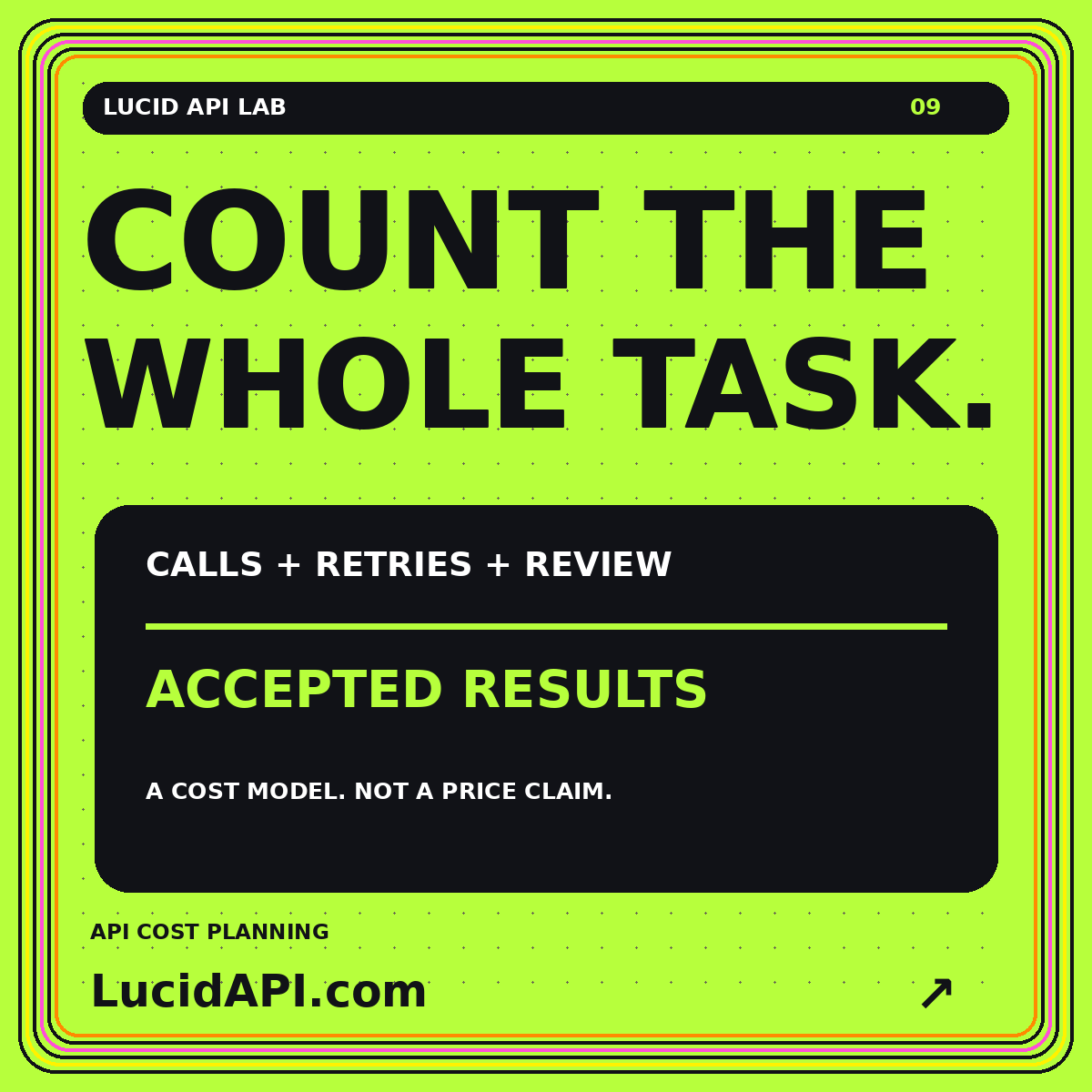
Use a transparent hypothetical model to estimate inference, retries, review, storage, and multi-step workflow costs without invented vendor prices.
LUCID API LAB / TOPIC THREAD
Bound the work before expanding it.
An agent workflow combines model decisions with tools, state, and an execution policy. These articles ask whether a fixed sequence is sufficient, how to constrain model-directed behavior, and what a complete task actually costs. Start with a clearly authorized input set and a useful terminal outcome.
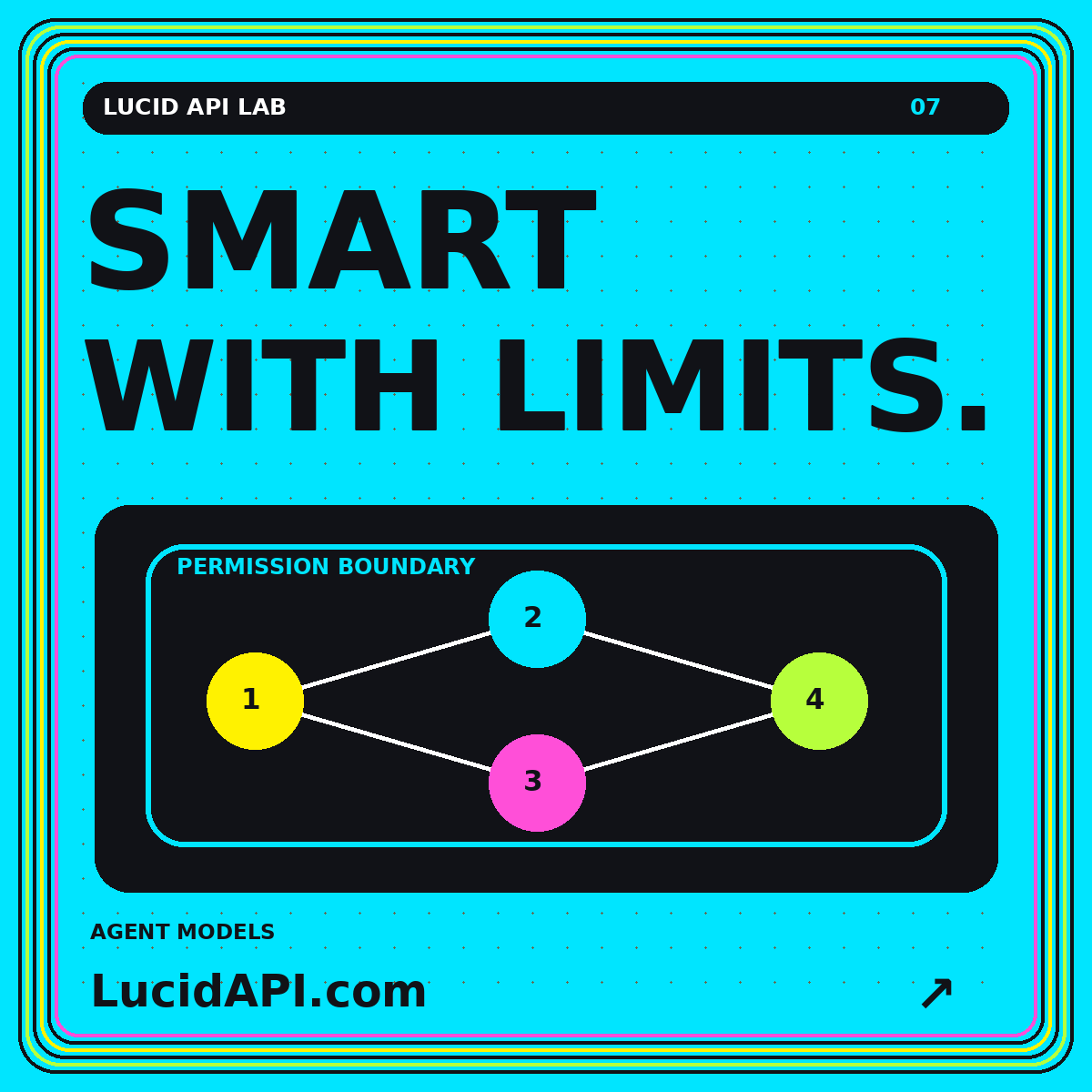
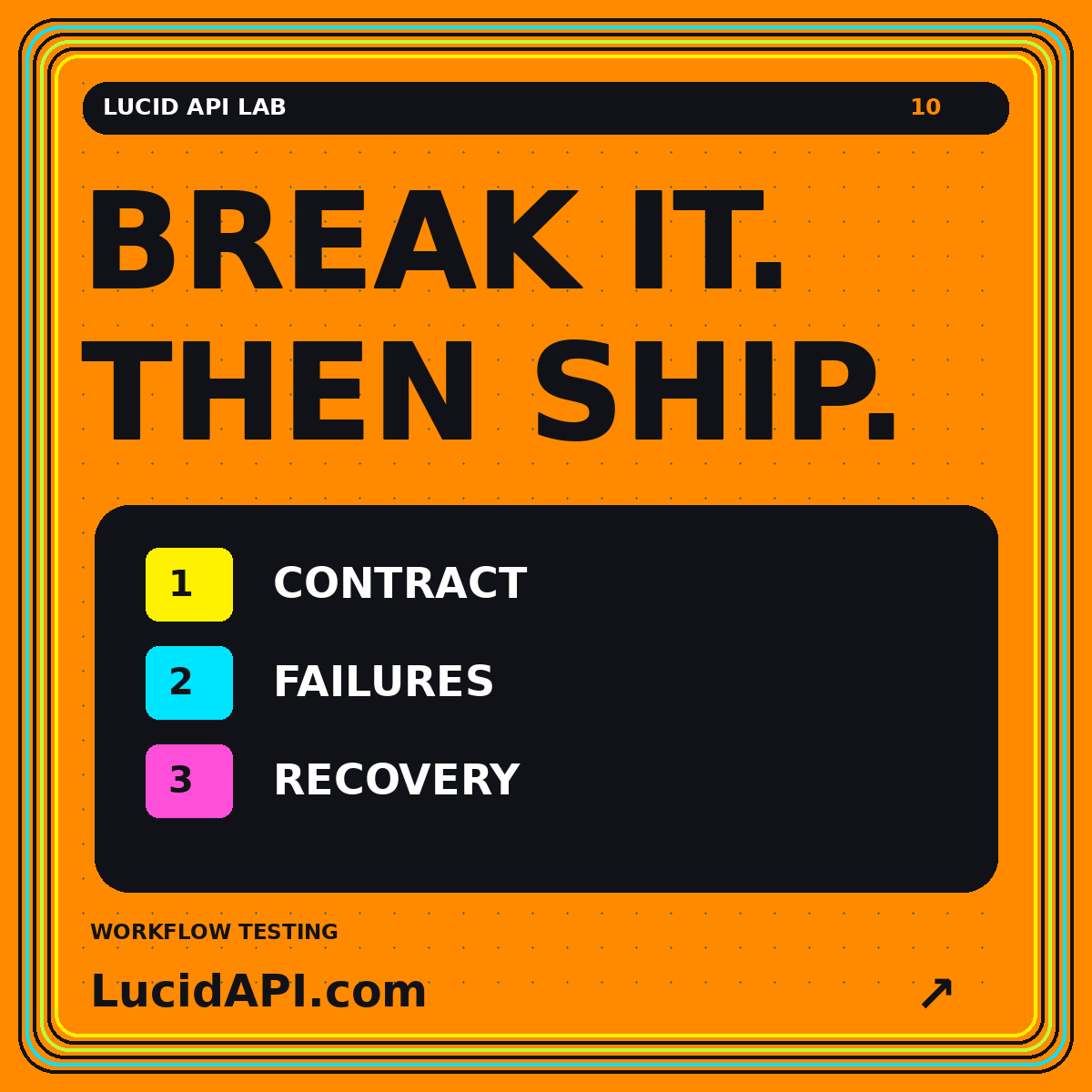
Read the bounded-workflow guide before adding persistent memory or consequential tools. Follow it with the cost article to set a finite planning budget, then use the testing guide to simulate interrupted workers and repeated actions. Review the full execution record rather than only the final prose. A tool proposal is not permission, and a model claim that an action happened is not a transaction record.
Field guides following
the agents thread.
Use a transparent hypothetical model to estimate inference, retries, review, storage, and multi-step workflow costs without invented vendor prices.
Choose between a fixed workflow and model-directed actions, then define tool permissions, approval points, stop rules, and recoverable state.
Build a layered test suite that checks schema meaning, ownership, model adapters, asynchronous state, and user-visible outcomes.